
Starting to sell on Amazon as a beginner comes down to one thing most courses skip: learning to sell in a way that keeps your account safe. The fastest path is not finding a "winning product" — it is understanding Amazon's rules, screening products for risk before you buy inventory, and setting up your account correctly so it does not get suspended in your first few months. This guide walks through the practical, compliance-first steps a new seller should take, and how the right training shortens the learning curve.
Short answer: to start selling on Amazon safely, set up a compliant seller account, research products with account-safety and policy risk in mind, screen each product before committing money, create accurate listings, and learn the basics of pricing and advertising. Beginners who pair this with mentorship tend to avoid the costly mistakes that get new accounts flagged.
Most new sellers quit or get suspended for reasons that have nothing to do with effort. They source a product that turns out to be restricted, gated, or the subject of an intellectual-property complaint, and Amazon limits or deactivates the account before the business ever gets going. A compliance-first approach flips the usual order: instead of chasing a product and hoping it is allowed, you check account safety and Amazon policy first, then choose products that fit within the rules. This is the single biggest difference between sellers who last and sellers who stall.
Set up a compliant seller account. Use accurate business and tax details, verify your identity properly, and read Amazon's seller policies before you list anything. A clean, correctly configured account is the foundation everything else sits on.
Research products with risk in mind. Look at demand and competition, but also ask whether a product is gated, restricted, or likely to draw IP or safety complaints. A product that sells well but gets your listing pulled is not an opportunity — it is a liability.
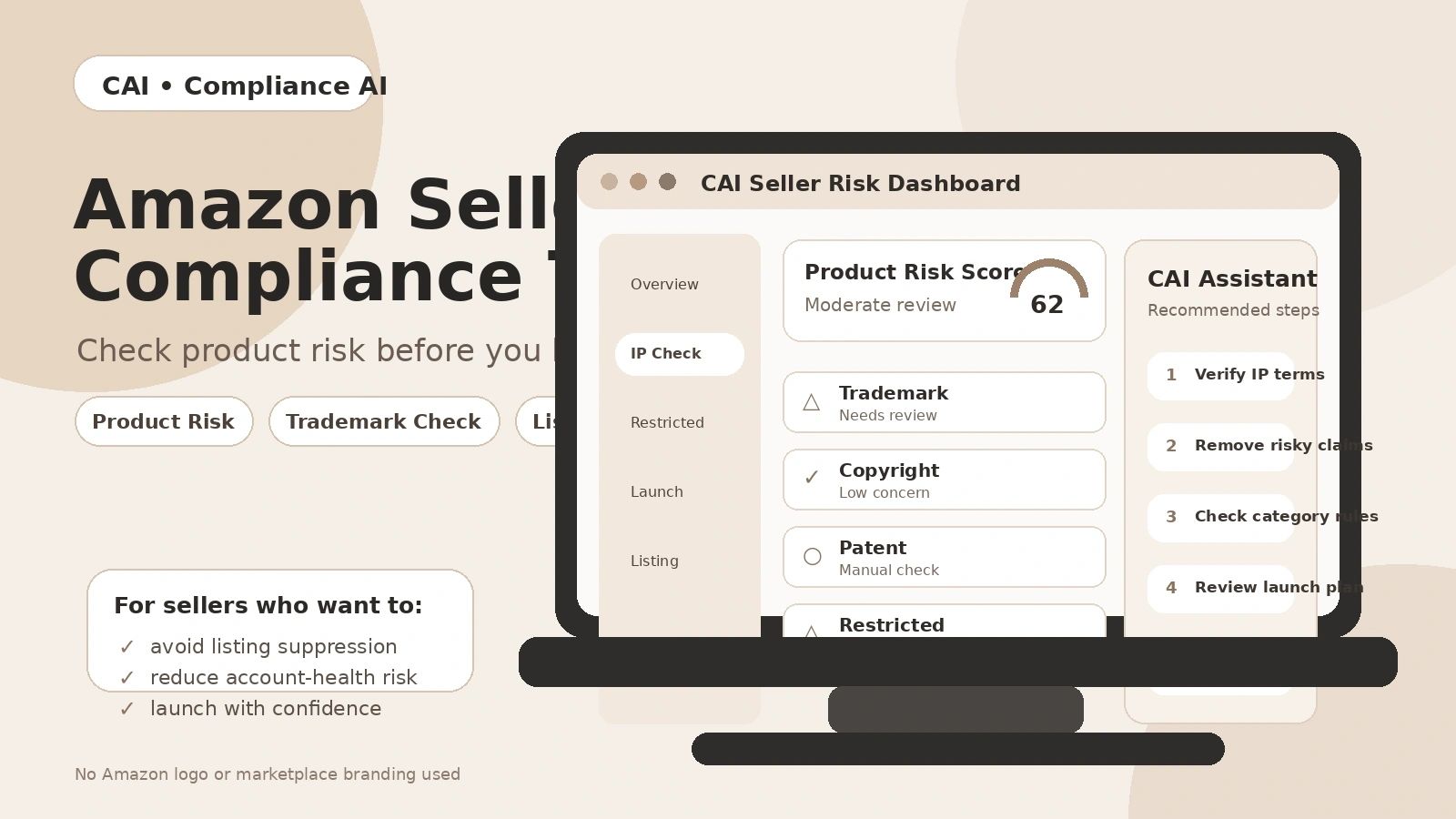
Screen each product before you buy inventory. This is where a product-risk tool earns its keep. Self Canada's mentorship uses CAI, a compliance AI tool that runs product-risk checks, surfaces potential gating and policy problems, and flags account-safety concerns early, so you spend money on items that are more likely to stay live.
Create accurate, policy-compliant listings. Write honest titles and descriptions, use compliant images, and avoid prohibited claims. Accurate listings reduce returns, complaints, and the policy warnings that hurt account health.
Learn the basics of pricing and advertising. You do not need to master PPC on day one, but understanding how pricing, reviews, and beginner-level ads work helps you launch sensibly instead of burning your budget. Start small, measure, and scale what works.
You can learn Amazon on your own, but structured training removes guesswork and helps you avoid expensive mistakes. There are many options, from free official resources to paid courses and live mentorship. If you are weighing them, our breakdown of the 7 Amazon Seller Training Programs for FBA Beginners in 2026 compares the main choices by who each one fits best.
Self Canada sits in that list as the compliance-first mentorship option. Rather than being another generic video course, it pairs live coaching with an emphasis on account health, Amazon policy compliance, and product-risk screening through CAI. For beginners, that means learning the safe way the first time instead of fixing avoidable problems later. Learn more on our Amazon Seller Training hub.
The most common early mistakes are sourcing restricted or gated products without checking, copying competitors' listings in ways that trigger IP complaints, and ignoring Amazon's performance and policy notifications. To see how product-risk and compliance screening reduces these risks, read our deeper guide: Amazon Seller Compliance Tool: How CAI Helps Sellers Reduce Risk. And if you are still deciding whether Amazon is the right marketplace for you, start with How Do I Start Selling Products on a Major Online Marketplace? for the bigger-picture basics.
Want a guided, compliance-first start instead of piecing it together alone? Our Level 1 Amazon course pairs live mentorship with the account-safety and product-screening fundamentals above. Join a live class whenever you're ready — no pressure, just a clearer path to selling without putting your account at risk.
Is it safe to start selling on Amazon as a complete beginner?
Yes, if you treat account safety as the priority. The risk for beginners is not selling itself but sourcing products that break Amazon policy or get gated. Screening products for risk before you buy and following Amazon's rules keeps a new account healthy.
What is a product-risk check and why does it matter?
A product-risk check screens a product for compliance, gating, and account-safety issues before you commit money to inventory. Tools like CAI flag potential policy or IP problems early, so you avoid buying stock that Amazon could restrict or pull.
Do I need training to start, or can I learn for free?
You can learn the basics free through Amazon Seller University and reputable channels. Paid mentorship like Self Canada helps most when you want structure and want to avoid compliance and account-safety mistakes rather than learning them the hard way.
How long does it take to make a first sale on Amazon?
It varies widely. With a compliant account and a properly screened product, some beginners make a first sale within weeks of listing. Rushing past account setup and product-risk checks is what usually causes delays and avoidable suspensions.